Sustainable Data Center Decommissioning
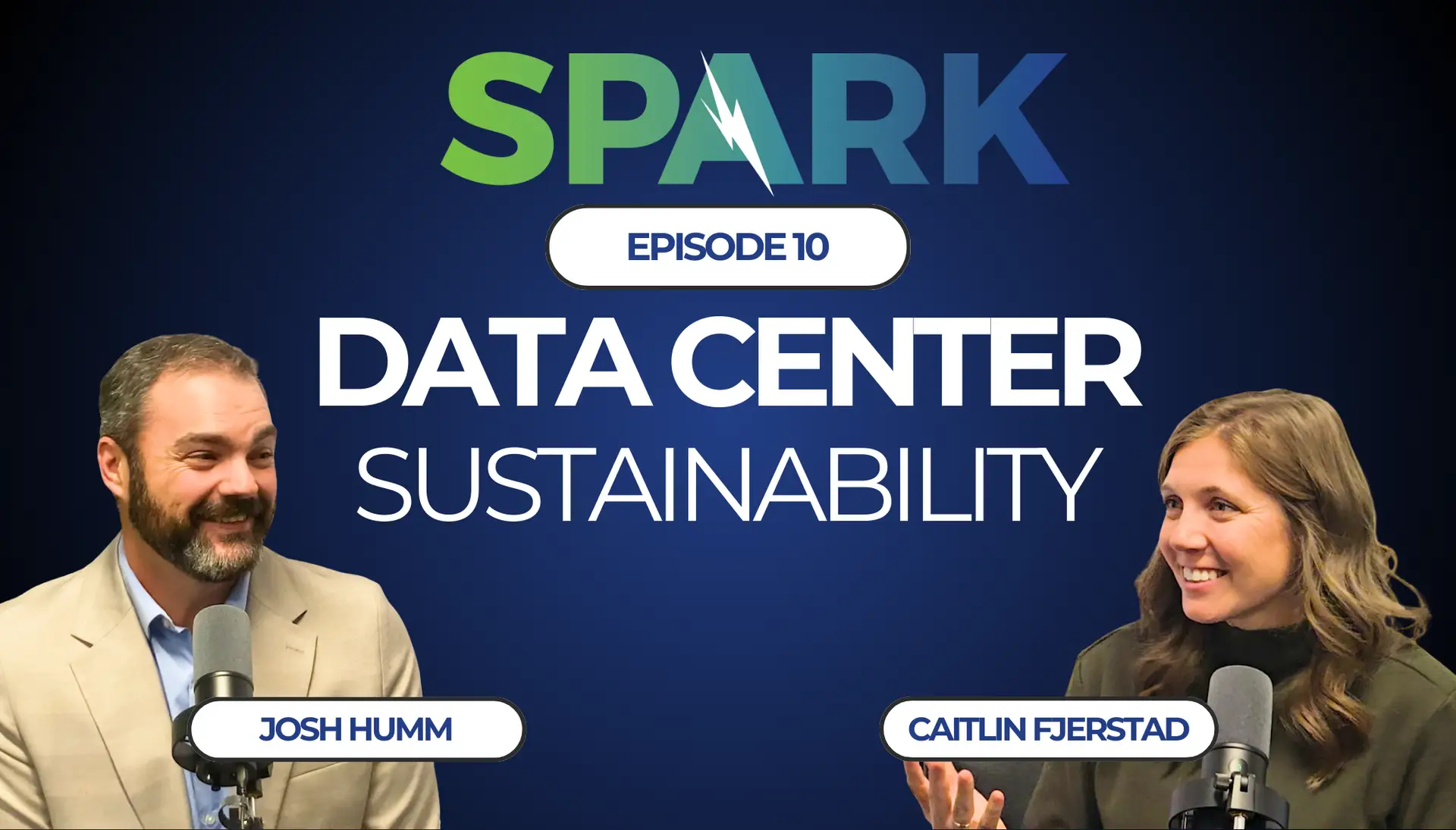
What really happens when a data center is decommissioned — and how can organizations turn a traditionally costly process into a sustainability win? In this episode of the Dynamic SPARK Podcast, host Caitlin Fjerstad sits down with Josh Humm, Data Center Program Manager at Dynamic Lifecycle Innovations, to unpack the realities of retiring data center assets. From de-energizing and de-racking to secure data destruction, reuse, and remarketing, Josh walks through the full lifecycle of data center decommissioning and why a reuse-first mindset is critical for both sustainability and ROI.
The conversation explores:
The hidden environmental costs of unnecessary destruction
Why certified data wiping can outperform physical destruction
How reuse offsets raw material extraction and remanufacturing
What to look for in a truly sustainable ITAD partner
How decommissioning can shift from a cost center to a value driver
Whether you’re planning a refresh, migration, or full decommission, this episode offers practical insights to help IT and data center leaders make smarter, more sustainable decisions — without compromising security or compliance.
Featuring Josh Humm, Data Center Program Manager.
View Full Podcast Transcript
Caitlin Fjerstad: Hi, and welcome to this session of the Dynamic SPARK Podcast. I’m your host for today, Caitlin Fjerstad. On the SPARK Podcast, we aim to help organizations get the most value out of their IT and lifecycle programs.
Today, we’re excited to dive into data centers and sustainability — specifically the process of retiring or refreshing assets and the role sustainability plays in that journey.
Joining us today is Josh Humm, Data Center Program Manager here at Dynamic. Welcome, Josh. Thanks for joining us.
Josh Humm: Thanks for having me. I appreciate it.
Caitlin Fjerstad: To get started, for those who may not be familiar, what does decommissioning or retiring assets look like for data centers today?
Josh Humm: When data centers reach the point where they’re upgrading hardware, migrating to another facility, or fully decommissioning, there are a lot of moving parts. That includes cooling units, power generation, cabling, racks, servers, and networking equipment. During decommissioning, teams de-energize systems, decable, and de-rack equipment. Everything is inventoried, serialized, tracked, and managed to ensure it reaches the proper endpoint. ITAD companies handle these processes, package the equipment, and transport it to processing facilities to complete its lifecycle.
Caitlin Fjerstad: Historically, a lot of that material was simply recycled. How has the industry evolved, especially around sustainability?
Josh Humm: There’s increasing focus on the resources data centers consume — water, power, land. Organizations are now looking at what they can give back. Instead of defaulting to recycling, data center owners are prioritizing reuse. Many assets still have significant life left after refresh cycles. By refurbishing, securely wiping data, and remarketing equipment, organizations can offset the environmental impact of mining raw materials and manufacturing new products.
Caitlin Fjerstad: Beyond reuse and resale, where are some of the less obvious sustainability wins?
Josh Humm: A major factor is rare earth minerals. Take hard drives, for example — they require substantial resources to manufacture. Destroying them creates demand for new production. With certified data wiping performed to forensic standards, drives can be safely reused. That reduces the need for mining and manufacturing, which is a far more sustainable approach than default destruction.
Caitlin Fjerstad: Do some organizations still prefer physical destruction, and why?
Josh Humm: Yes, particularly large or highly regulated organizations. For example, we worked with a national healthcare organization that physically removed drives before sending equipment to us. Over time, our data destruction certifications and proof of process built trust. We were able to show that forensic data wiping is secure, which allowed them to move away from unnecessary destruction and support reuse instead.
Caitlin Fjerstad: How can organizations tell if an ITAD vendor is truly sustainable versus just using buzzwords?
Josh Humm: Transparency is key. Visit the facility. Review reporting. Understand how equipment is tested, processed, and remarketed. True sustainability means evaluating hardware at the component level and finding the next best use — whether that’s resale as a full unit or remarketing individual components based on market demand.
Caitlin Fjerstad: How does that component-level approach apply to data center equipment specifically?
Josh Humm: Servers are incredibly commodity-rich. Sometimes individual components — memory, processors, drives — are worth more than the full unit. A strong ITAD partner understands market fluctuations and knows how to break down equipment responsibly while still tying value back to the original asset owner.
Caitlin Fjerstad: What happens when equipment can’t be reused and must be recycled?
Josh Humm: Recycling involves many steps — shredding, separating commodities, refining raw elements, smelting, and transporting materials through multiple processes. It’s resource-intensive. Reuse, on the other hand, requires far fewer steps. Wipe, test, remarket — and the equipment continues serving the IT ecosystem without being rebuilt from scratch.
Caitlin Fjerstad: For organizations planning a data center decommission, what does successful planning look like?
Josh Humm: It requires coordination. Users may still be operating in the environment. HVAC and power systems must be managed. Assets need to be tracked, logged, and integrated into asset management systems. Working with experienced partners who understand data center environments is critical to managing all those moving pieces efficiently.
Caitlin Fjerstad: Any final advice for organizations navigating decommissioning and sustainability?
Josh Humm: Many organizations see decommissioning as a cost center, but it doesn’t have to be. With sustainable asset management and reuse-first practices, costs can be mitigated — and sometimes even turned into credits. Find certified partners with strong environmental and data security standards. Let them do what they do best: remarket, repurpose, and extend the life of equipment. It’s easier operationally, better for the environment, and creates measurable sustainability impact you can be proud of.
Reuse above all else — that’s step one.
Caitlin Fjerstad: Thank you so much, Josh. We really appreciate you sharing your expertise and insights with us.
Meet The Speakers
Josh Humm is the Data Center Program Leader at Dynamic. Connect with him on LInkedIn.
Caitlin Fjersted is the Sales Operations Manager at Dynamic.
Related Resources