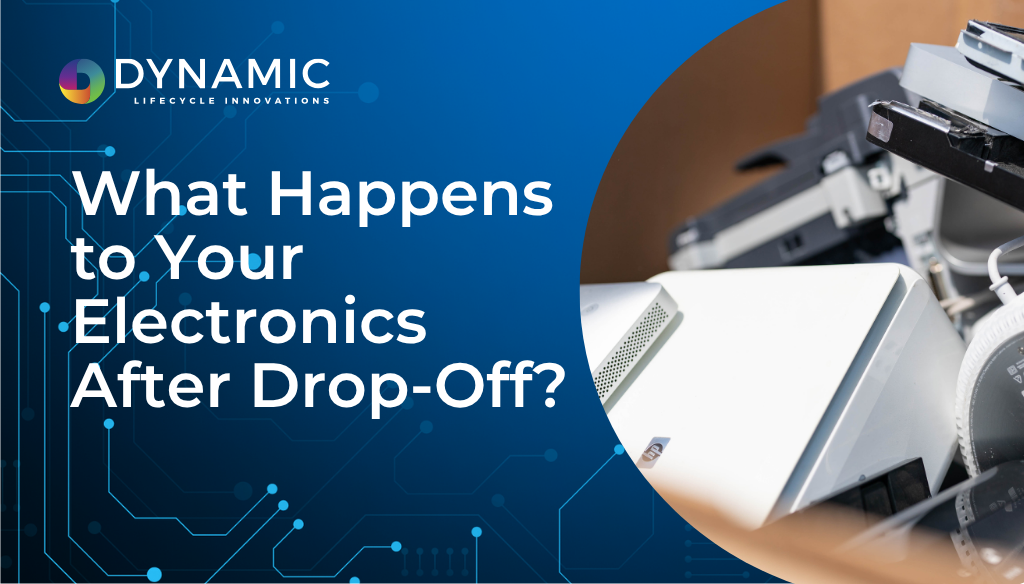
What Happens to Your Electronics After Drop-Off?
Most of us have a drawer filled with old electronics.
A phone that stopped holding a charge.
A laptop that’s been replaced.
A television that finally gave out.
Eventually, those devices get dropped off at a recycling center or community collection event.
But once you drop off your electronics for recycling, where do they actually go?
The answer is simple: your devices enter a controlled, step-by-step electronics recycling process designed to protect your data, recover valuable materials, and reduce environmental impact.
Let’s walk through that journey.
Step 1: Collection That’s Designed to Be Easy
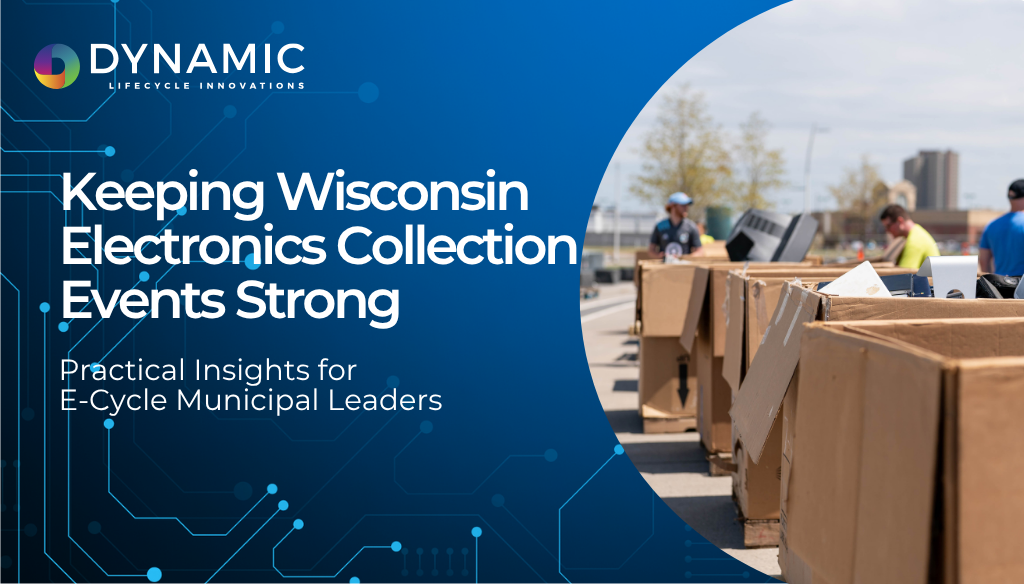
Electronics recycling starts with making it convenient for residents to participate.
Collection sites and community events provide a simple way to dispose of unwanted electronics responsibly. Most programs accept common items such as:
- Laptops
- Televisions
- Phones
- Monitors
- Printers
- Microwaves
At drop-off, staff help unload and organize devices to ensure they are ready for secure transportation.
While the process may feel quick and simple, it’s carefully managed behind the scenes.
Step 2: Secure Handling and Transportation
Once electronics are collected, they are organized and prepared for transport to certified processing facilities, like Dynamic Lifecycle Innovations.
From this point forward, devices move through controlled logistics processes designed to maintain security and accountability.
This includes:
- Careful sorting and palletizing
- Secure transportation procedures
- Delivery to Dynamic certified recycling facilities
These steps help ensure electronics remain within a documented chain of custody throughout the electronics recycling process.
Behind every drop-off is a controlled, step-by-step process designed to protect your data and maximize environmental impact.
Step 3: Protecting Data on Your Devices
One of the most common questions people have about electronics recycling is:
“What happens to my data?”
It’s a valid concern. Phones, computers, and tablets often contain personal information.
Responsible recycling programs address this through secure data destruction practices aligned with recognized industry standards.
Devices that store data are processed through verified methods designed to ensure personal information cannot be recovered. This may include physical destruction or data sanitization processes based on guidelines such as those outlined by the National Institute of Standards and Technology (NIST): https://csrc.nist.gov/publications/detail/sp/800-88/rev-1/final
In addition, working with a certified recycler provides an added layer of confidence. Certifications help ensure processes are audited, compliant, and consistently executed.
You can learn more about the certifications that support secure handling and data protection here: https://thinkdynamic.com/about/certifications/
This includes:
- Certified data destruction protocols
- Strict compliance standards
- Responsible downstream management
In other words, recycling your electronics shouldn’t mean risking your personal information.
Step 4: Finding the Best Next Step for Each Device
Not every device follows the same path.
After data security procedures are complete, electronics are evaluated to determine the most responsible outcome.
Some devices may be suitable for refurbishment, giving them a second life. Others may provide parts that help repair additional equipment.
When devices can’t be reused, they move into the electronics recycling stream so valuable materials can be recovered.
While not every material can be recovered, certified recycling processes are designed to safely manage what can’t be reused.
The goal is always the same: maximize value while minimizing environmental impact.
Step 5: How Materials Are Recovered Through Electronics Recycling
Electronics contain a significant amount of valuable resources.
Inside many devices are materials like copper, silver, and gold—resources that can be recovered and reused when electronics are properly recycled.
For example, according to the U.S. Environmental Protection Agency:
- Recycling 1 million cell phones can recover:
- 35,000 pounds of copper
- 770 pounds of silver
- 75 pounds of gold
Recovering these materials reduces the need for new mining and keeps valuable resources in circulation.
Learn more from the EPA: https://www.epa.gov/recycle/electronics-donation-and-recycling

We give electronics their next best life™—securely, responsibly, and with purpose.
Questions Residents Often Ask About Electronics Recycling
If you’re planning to recycle electronics, you may have questions. Here are a few common ones:
- Is my personal data safe when I recycle devices?
- What types of electronics are accepted?
- What happens to devices after they are collected?
- Are materials reused or recycled?
- How does recycling electronics help the environment?
Responsible electronics recycling programs are designed to answer all these concerns with secure handling and transparent processes.
We Give Electronics Their Next Best Life™
When you recycle electronics responsibly, you’re doing more than cleaning out old devices.
You’re helping protect your personal information, recover valuable materials, and reduce environmental impact.
That’s what giving electronics their next best life is all about.
If you have electronics ready for recycling, find a certified drop-off location near you: https://thinkdynamic.com/electronic-recycling-center-locator/
Related Resources