AI adoption has to build efficiency and trust
There are plenty of opportunities to use AI inside an ITAD operation, from asset valuation and grading to visual identification and process automation. The potential to improve efficiency and scale is exciting.
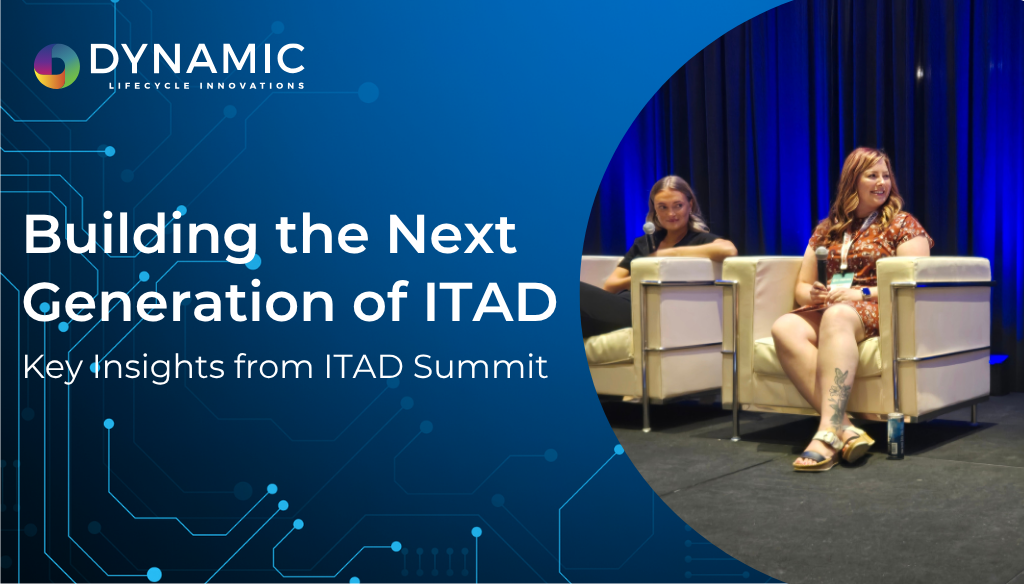
But the panel also spent a lot of time talking about how we use it responsibly.
For enterprise customers, the question isn’t simply whether their ITAD partner uses AI. They also need confidence in how their information is being protected. Are AI tools being used in contract reviews or RFP responses? What information is being entered into them? Does the customer allow it?
As adoption increases, strong AI governance and security practices need to grow with it.
There won't be one AI strategy for every customer
One of my biggest takeaways was how different AI adoption can look depending on the customer. An approach that works for one industry may not work for another. Organizations like Dynamic handling sensitive healthcare, financial, or government data may have very different policies and risk tolerances.
That means ITAD providers need to monitor more than the technology itself. We need to understand changing regulations, customer policies and industry-specific expectations and be prepared to adapt accordingly.
The companies that move fastest won’t necessarily be the ones that succeed. The ones that can evolve while maintaining customer confidence will be better positioned.
Sustainability needs to create information customers can trust
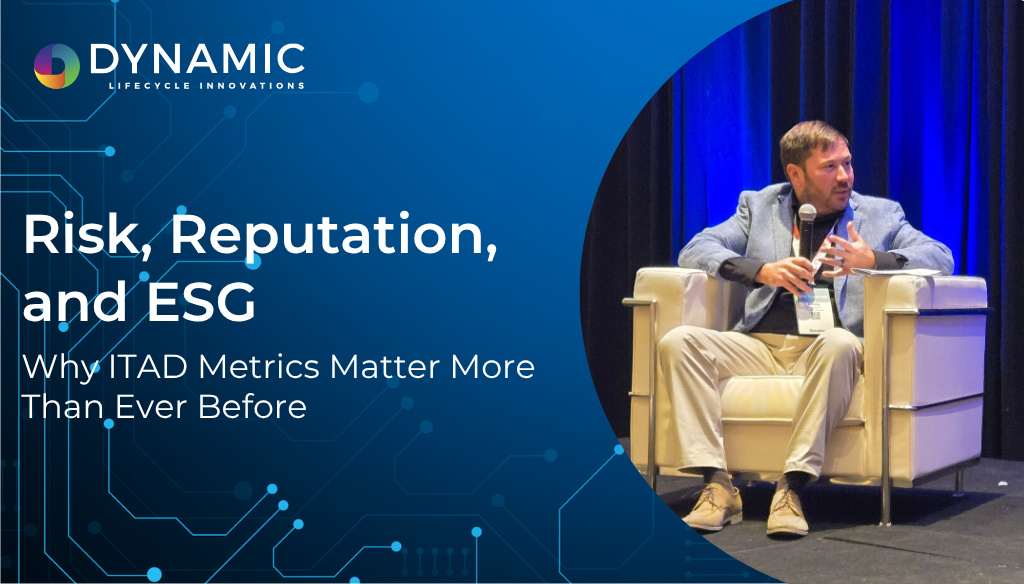
The panel had a great discussion about ESG and whether customers truly care about sustainability reporting.
The answer isn’t always simple. Priorities can change with regulation, budgets, industry and organizational commitments. But we’re also seeing areas where sustainability and reputation are becoming increasingly connected.
Data centers are a great example. As the industry expands, communities and businesses are paying more attention to environmental impact. That creates an opportunity to think beyond energy and water and consider how infrastructure is upgraded, relocated, reused and ultimately retired.
For ITAD providers, simply producing a sustainability report isn’t enough. We need to give customers qualified information they can trust and help them understand why those outcomes matter.
We have to get better at communicating the value of ITAD
Security, logistics, auditing, data destruction, reporting, compliance and responsible recycling all require real processes and investment. Yet as an industry, we haven’t always done a great job explaining the value behind those services.
Even very large enterprises may have people taking responsibility for an ITAD program for the first time. They aren’t necessarily looking for someone to simply pick up equipment. They may need a partner that can help them understand what a strong program should look like and why certain controls matter.
That may be one of the biggest opportunities ahead for our industry. Technology will continue to change; our job is to keep evolving with them while giving customers confidence that their assets, data and goals are being handled the right way.